

Blog
Retro Basketball Shorts: How the 70s, 80s and 90s Actually Looked

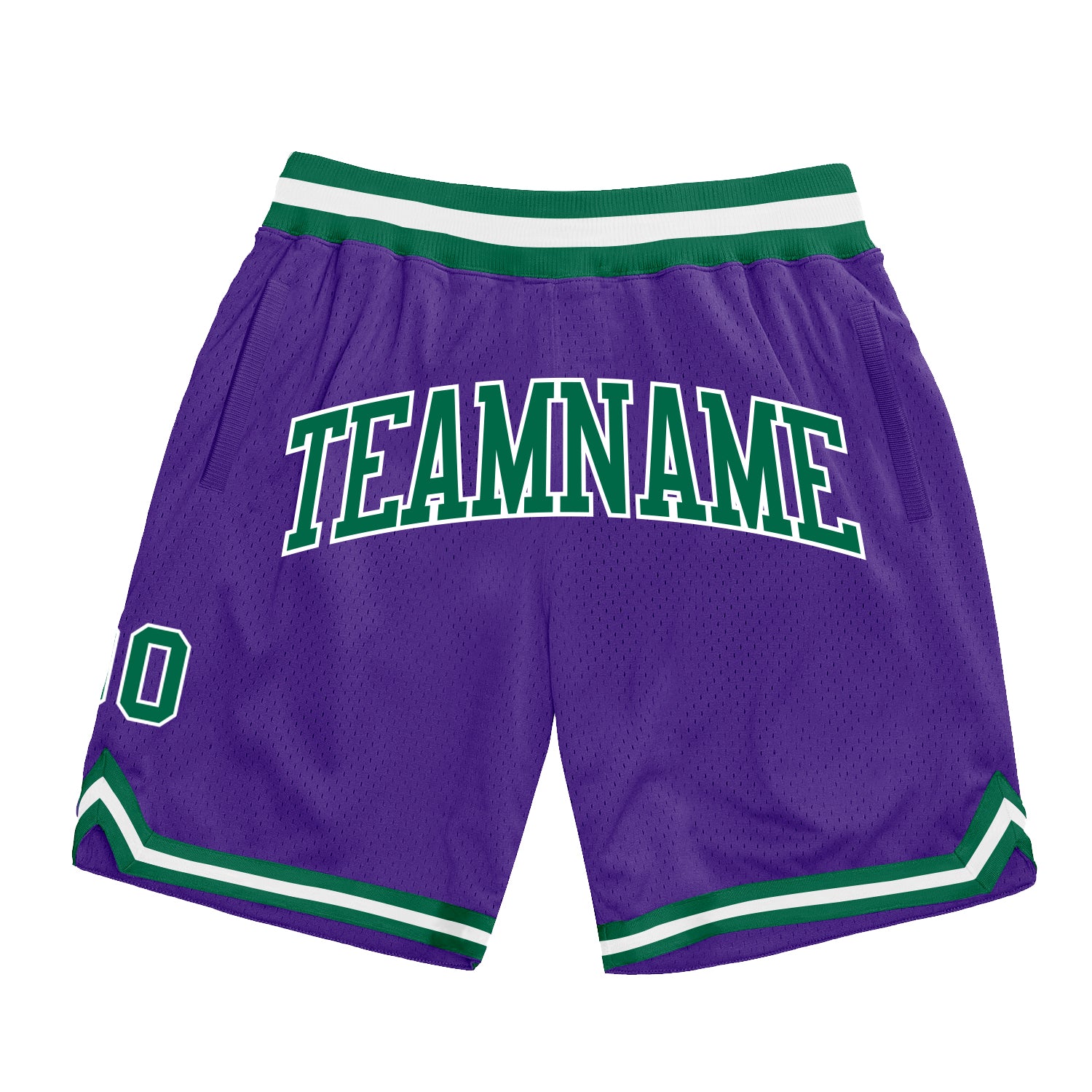
“Retro basketball shorts” means three completely different garments depending on which decade you have in mind, and ordering the wrong one is an easy mistake because the photos all get filed under the same label. Here is what actually separates them.
The 1970s: genuinely short
The defining feature is the inseam, which sat somewhere around 3 inches. On most adults that lands well above mid-thigh. They were also cut close through the leg rather than loose, with a high waist and often a simple elastic band.
Detailing was minimal: a solid body, one or two side stripes running down the outer seam, and that was usually it. The fabric was heavier than modern athletic knit, closer to a tricot or a light woven, which is why they hang differently in old photos.
If you want the 70s look specifically, the inseam is the whole thing. Everything else is secondary.
The 1980s: still short, more color
The cut stayed short through most of the decade, roughly 3 to 5 inches, but the design got louder. This is the era of contrasting waistbands, thicker multi-color side panels, and color blocking that split the short into distinct sections rather than running a thin stripe down the seam.
The waistband is the giveaway. An 80s short usually has a wide contrast band, often in a second team color, sometimes with a stripe running through it. Modern shorts have a plain elastic waist hidden under a drawcord.
The 1990s: the baggy era
Everything changed in the early 90s. Inseams jumped to 9 inches and kept going, the cut went loose through the hip and thigh, and the length dropped to at or below the knee.
The design language changed too: bigger side panels, larger logos, and more use of pattern. If someone says “throwback basketball shorts” without specifying a decade, this is usually what they picture, because it is the era most current adults grew up watching.
Inseam, decade by decade
- 1970s: around 3 inches. Well above mid-thigh.
- 1980s: 3 to 5 inches. Above the knee by a wide margin.
- Early 1990s: 7 to 9 inches. Approaching the knee.
- Late 1990s onward: 9 to 11 inches or more. At or below the knee.
- Modern athletic: 7 to 9 inches, which is roughly where the early 90s sat.
That last point is worth noting: the modern standard has drifted back toward the early 90s. If you order a current-cut short expecting a 90s look, you are already close. It is the 70s and 80s looks that require a deliberate choice.
Getting the look without the wrong fit
Two practical warnings.
Short does not mean tight. A 70s short was short in the leg but not skin-tight through the thigh. If you size down to get the length, you get compression shorts instead of retro shorts. Keep your normal waist size and change the inseam.
Baggy does not mean oversized. The 90s look came from the cut, not from wearing a size too big. A pair two sizes up sits wrong at the waist and bunches. Order your waist size in a longer, fuller cut.
Matching a top to the era
The shorts do most of the work, but the jersey should agree with them. A 90s-length short under a modern slim-cut tapered jersey reads as a mismatch.
- 70s and 80s shorts pair with a closer-cut sleeveless jersey with contrast neck and armhole trim.
- 90s shorts pair with a roomier jersey, wider armholes, and bigger block numerals.
If you are building a full set, the throwback basketball jerseys collection and the retro basketball shorts collection are designed to be ordered together in matching colorways.
Designing a custom retro pair
A workable order of decisions:
- Pick the decade. This sets the length and everything follows from it.
- Two colors plus a neutral. Retro palettes were tight.
- Decide the waistband. Contrast band for the 80s look, plain for the 70s, plain with a drawcord for the 90s.
- Side detail. Thin single stripe (70s), thick multi-stripe or color block (80s), large panel (90s).
- Numbers, if any. Retro shorts often carried a small number on the front left leg. It is a strong period detail.
A note on team designs
Actual team uniforms from any of these decades are licensed, including the historic ones. Everything in this collection is an original design in the style of the era, carrying your own colors, team name and number. That is the version you can actually order, and it is more interesting than wearing a copy of someone else’s kit.
Frequently asked questions
What inseam were 80s basketball shorts? Roughly 3 to 5 inches, sitting well above the knee. The 80s look is short in the leg with a wide contrast waistband, which is the detail that separates it from the 70s.
Are retro basketball shorts good for actually playing in? Yes. The cut is different but the fabric here is modern light knit that vents and dries quickly, so a retro-styled pair performs like a current one. The shorter inseams also give more range through the hip.
Do these have pockets? The shorts in this collection use an elastic waist with a drawcord and side pockets. Period-accurate 70s shorts often had none, but pockets are the detail almost nobody wants removed.
Can I get matching jerseys? Yes, in the same colorway. Order the jersey and shorts together and both are printed from the same color file, so the set matches properly rather than approximately.
How should I size retro shorts? Order your normal waist size and let the cut do the work. Sizing down to get a shorter look gives you a tight short rather than a retro one. The basketball shorts sizing guide has the measurements.
Browse the range
See retro and vintage basketball shorts, throwback basketball jerseys, or custom basketball shorts for the modern cut. Sizes XS to 7XL, no minimum order, made to order in your colors.