

Blog
How Much Do Custom Performance T-Shirts Cost? 2026 Pricing Guide

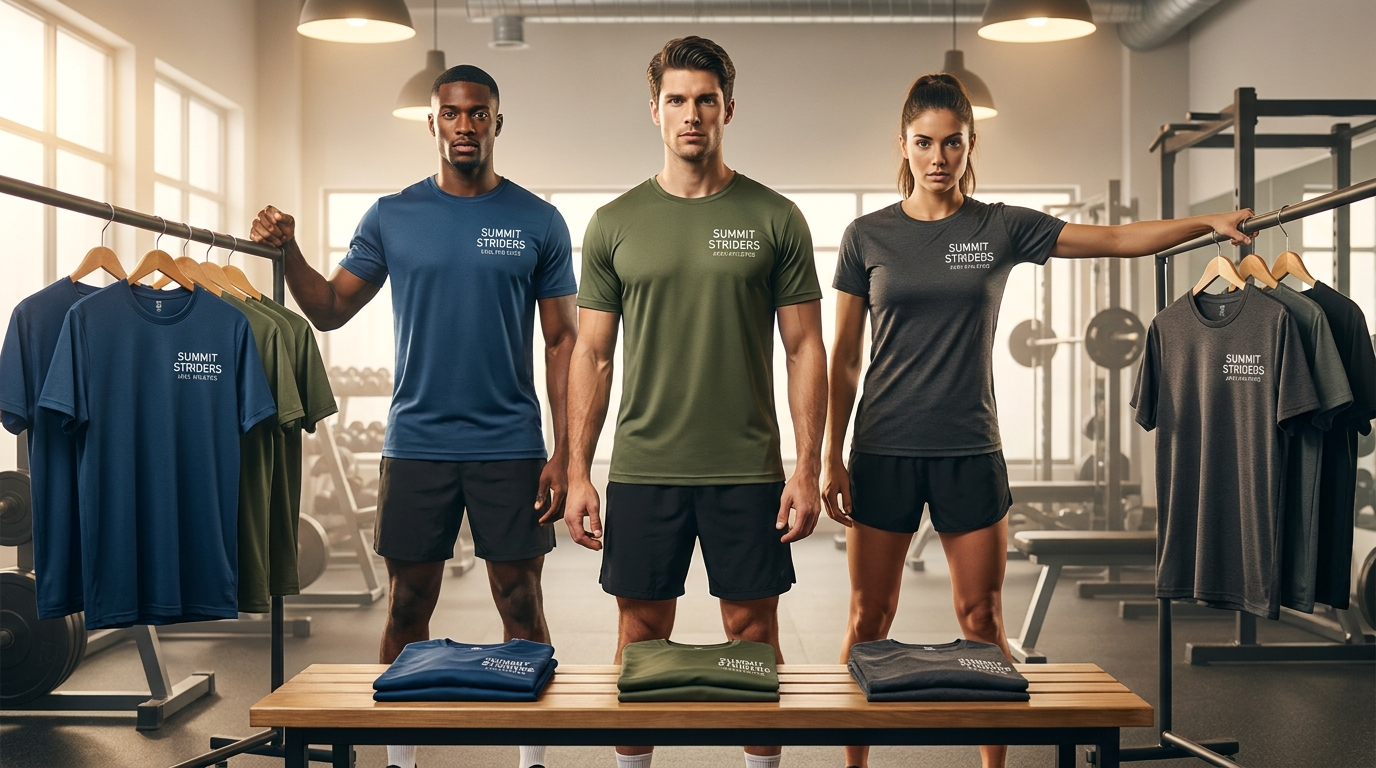
Knowing what shapes the cost of performance t shirts lets you budget your team’s athletic gear without surprises. Rather than quoting fixed figures that shift with fabric and design, this guide explains the levers you actually control, so you can build an order that fits the budget while still getting gear that performs the way active play demands.
What Drives the Price
Performance shirts use technical fabric, which sits alongside the usual custom-decoration factors. Understanding each one helps you decide where to invest and where to simplify.
- Technical wicking fabric sets the base price.
- Decoration complexity: more colors and larger prints add cost.
- Placement count: a front-only print is simpler than multi-placement.
- Personalization with names and numbers adds per-shirt labor.
How Quantity Affects Cost
Volume helps performance orders just as it helps any custom run. A full-roster order generally lands at a better per-shirt rate than a few one-offs, because setup work is spread across more shirts. Consolidating your team into a single order is the easiest path to a lower per-shirt price.
Design Choices That Save Money
Limit color counts, keep decoration to one or two placements, and reuse a single shared layout across the team to trim the total without making the gear look cheap. Because bold, simple designs already read best in motion on performance shirts, the cost-saving choices and the best-looking choices often line up nicely.
Personalization Trade-offs
Per-player names and numbers add value and per-shirt work in equal measure. On a tight budget, keep a shared team design and add personalization selectively, focusing it where it matters most rather than spreading it across every shirt by default.
Budgeting Across the Season
Plan for spares and mid-season additions, since a few extra shirts up front cost less than a rushed re-order later. If you are comparing apparel, casual tees and long sleeve tees carry their own cost drivers worth weighing.
Performance fabric usually carries a higher base than basic cotton, and the honest answer to whether it is worth it depends on how the shirts get used. For genuine active play, practice, games, and hot-weather competition, the comfort and quick-dry benefit pay off every session, and players feel the difference. For shirts that mostly get worn casually, the technical upgrade may be money better spent elsewhere. Knowing your use case lets you put the performance budget where it earns its keep and choose cotton where it does not. That clear-eyed split is how teams get athletic gear that performs without overspending on shirts that will never see a hard workout.
Weigh the cost against how often the shirts get used, not just the sticker price. Performance gear that players pull on for every practice and game delivers real value per wear, while the same fabric on a shirt worn only casually is harder to justify. Matching your spend to genuine active use is the clearest way to get athletic gear that performs without overspending.
FAQ
Here are the budget questions teams ask most about custom performance orders.
Are performance shirts pricier than cotton? Technical fabric can add cost, but design choices control much of the total, and matching the performance upgrade to genuine active use ensures you pay for the fabric only where it actually earns its keep.
Does ordering more lower per-shirt cost? Generally yes, larger orders improve economics because setup work is spread across more shirts, so consolidating the whole roster into one order is the easiest way to lower the per-shirt price.
Do names and numbers add cost? Personalization adds per-shirt work, so it factors in.
Ready to price your design? Browse custom performance t-shirts and build your order. Matching your spend to genuine active use gets your team athletic gear that performs when it matters without paying a premium on shirts that will never see a hard workout.